01
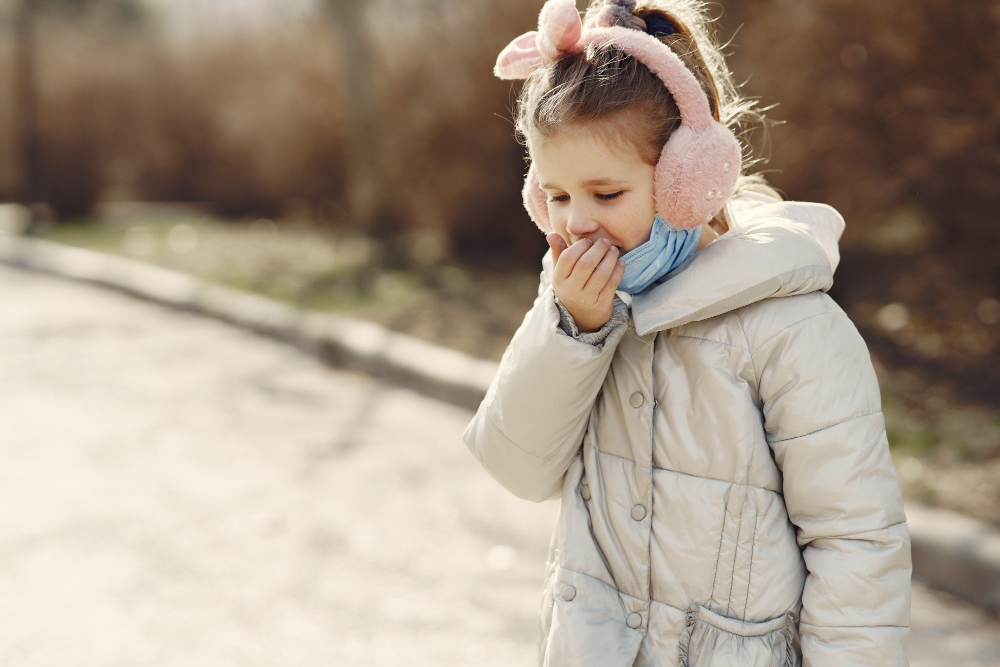
Why Are Children More Prone to Cough and Cold During Winter?
Children are more likely to experience respiratory infections
because their immune systems are still developing. They also
spend time in close contact with other children at schools,
daycare centres and playgrounds, making it easier for viruses
to spread.
During winter, people may spend more time indoors with limited
ventilation. This can increase exposure to respiratory viruses.
Cold weather itself does not directly cause an infection;
viruses are responsible for most common colds.
Understanding why children get frequent coughs and colds during
winter helps parents take preventive steps and maintain healthy
routines throughout the season.
Common reasons children may experience winter infections include:
- Exposure to respiratory viruses in schools and daycare centres.
- Close contact with other children in indoor spaces.
- Immune systems that are still developing.
- Limited ventilation in crowded indoor environments.
- Sharing toys and frequently touched objects.
02
Common Causes of Winter Cough and Cold in Children
Several factors can contribute to winter cough and cold in children.
Identifying the likely cause can help doctors recommend appropriate
care and treatment.
Viral Infections
Rhinoviruses, influenza viruses and other respiratory viruses
can cause cold-like symptoms, including sneezing, congestion,
fever and cough.
Close Contact
Sharing classrooms, toys and indoor spaces increases the
chances of infection spreading from one child to another.
Poor Hand Hygiene
Touching the nose, mouth or eyes with unwashed hands can
spread germs and increase the risk of respiratory infections.
Seasonal Allergies
Dust and other allergens may cause sneezing, congestion,
irritation and coughing in some children.
Air Pollution and Smoke
Exposure to smoke and polluted air can irritate children's
airways and worsen cough or breathing discomfort.
Identifying the likely cause helps doctors recommend appropriate
care. Not every cough or runny nose is caused by a common cold.
03
Symptoms of Cold and Cough Parents Should Watch For
Cold and cough symptoms in children may vary depending on the
infection and the child's age. Some children may have mild
symptoms, while others may experience fever, congestion or
difficulty sleeping.
Common signs and symptoms include:
-
Runny or Blocked Nose:
Nasal congestion or discharge may make breathing through
the nose uncomfortable.
-
Frequent Sneezing:
Children may sneeze repeatedly due to respiratory infections
or allergies.
-
Dry or Mucus-Producing Cough:
A cough may develop as the body responds to irritation
or mucus in the respiratory tract.
-
Sore Throat:
Children may complain of throat discomfort or pain while swallowing.
-
Mild Fever:
Some respiratory infections may cause an increase in body temperature.
-
Headache or Body Discomfort:
Children may feel tired, achy or generally uncomfortable.
-
Reduced Appetite:
Nasal congestion, sore throat or fever may affect eating habits.
-
Difficulty Sleeping:
Coughing and congestion may interrupt normal sleep.
Important Health Advice
Most children recover from common colds without complications.
However, persistent or worsening symptoms, breathing difficulty,
dehydration or unusual weakness should be evaluated by a doctor.
04
How to Manage Cough and Cold in Children at Home
For mild infections, supportive care can help children feel more
comfortable while their bodies recover. Adequate rest, hydration
and a comfortable environment are important during illness.
Parents can support their child's recovery by:
Encouraging Adequate Sleep and Rest
Allow children to rest and recover. Avoid strenuous activities
when they are feeling unwell.
Offering Fluids Regularly
Provide fluids throughout the day to help prevent dehydration
and maintain comfort.
Continue Breastfeeding for Infants
Continue breastfeeding babies as appropriate to support
hydration and nutrition during illness.
Providing Age-Appropriate Meals
Offer nutritious, age-appropriate foods according to the
child's appetite and tolerance.
Keeping the Surroundings Clean
Maintain a clean and comfortable environment and reduce
exposure to smoke and other irritants.
Using Saline Nose Drops When Appropriate
Saline nose drops or spray may help ease nasal congestion.
Follow medical guidance regarding their use.
Remember that antibiotics do not treat viral infections.
Medicines should only be given when recommended by a
healthcare professional.
05
Safe Home Care Tips to Relieve Winter Cough and Cold in Kids
Some simple cold and cough home remedies for children may provide
temporary relief. Parents should choose age-appropriate remedies
and avoid unsafe treatments.
Honey
For children older than one year, a small amount of honey may
help soothe a cough. Never give honey to babies below one year
because of the risk of infant botulism.
Warm Fluids
Age-appropriate warm drinks or soups may soothe an irritated
throat and help children feel more comfortable.
Saline Drops
Saline nasal drops can help loosen mucus and clear a blocked
nose. Follow age-appropriate instructions and medical advice.
Comfortable Room Environment
Keep the room clean, comfortably warm and free from smoke.
Avoid exposure to strong irritants.
Rest and Recovery
Allow children enough time to recover before returning
to strenuous activities or school when they are unwell.
Safety Precaution
Avoid direct steam inhalation because hot water and steam can
cause burns. Do not give cough syrups or over-the-counter
cold medicines without medical advice, particularly to young children.
06
How to Prevent Seasonal Infections in Children During Winter
Good hygiene and healthy daily habits are important for children's
winter health care. While these practices cannot prevent every
illness, they can help reduce the spread of respiratory infections.
Parents can reduce infection risks by:
- Encouraging children to wash their hands regularly with soap and water.
- Following the recommended vaccination schedule, including seasonal vaccines when advised.
- Teaching children to cover their mouth and nose while coughing or sneezing.
- Avoiding the sharing of drinking bottles, towels and personal items.
- Keeping rooms ventilated and regularly cleaning frequently touched surfaces.
- Providing balanced meals, adequate sleep and age-appropriate physical activity.
- Keeping children away from people who are actively unwell when possible.
Winter Health Tip
Encourage children to practise hand hygiene, follow healthy
routines and avoid close contact with people who are sick.
These habits can help reduce the spread of seasonal infections.
Prevention is an important part of children's winter health care.
However, parents should remember that infections can still occur
despite following good hygiene practices.
07
When Should You Consult a Paediatrician for Your Child's Cough and Cold?
Most mild coughs and colds improve with supportive care.
However, parents should consult a paediatrician if their
child's cough or cold is getting worse, fever persists,
symptoms are not improving, or the child has difficulty
eating, drinking or sleeping.
Parents should also seek medical advice if coughing continues
for several weeks, repeatedly occurs at night or is associated
with wheezing.
Persistent or Worsening Symptoms
Consult a doctor if symptoms continue, worsen or do not
improve as expected.
Persistent Fever
Seek medical advice if fever continues or is accompanied
by concerning symptoms.
Difficulty Eating or Drinking
Children who are unable to drink adequately or have
difficulty feeding may require medical evaluation.
Persistent Cough or Wheezing
A cough lasting several weeks, recurring at night or
associated with wheezing should be assessed by a doctor.
Sleep Disruption
Consult a paediatrician if cough or congestion repeatedly
interferes with your child's sleep.
If you are looking for a child specialist in Hanamkonda,
Warangal, or a paediatrician in Warangal, Hanamkonda,
timely consultation can help identify the cause and
determine suitable treatment.
08
Warning Signs That Require Immediate Medical Attention in Children
Some symptoms need urgent medical evaluation. Parents should
not delay seeking medical help if their child develops
concerning signs during a cough or cold.
Seek immediate medical attention if your child has:
Fast or Difficult Breathing
Rapid breathing, struggling to breathe or unusual breathing
effort may indicate a serious problem.
Chest Pulling Inward While Breathing
Chest indrawing or the skin pulling inward around the ribs
during breathing needs urgent medical attention.
Bluish Lips or Face
Bluish discolouration around the lips or face may be a
sign of insufficient oxygen and requires emergency care.
Unusual Sleepiness or Confusion
Seek immediate medical evaluation if your child is unusually
sleepy, confused or difficult to wake.
Inability to Drink or Breastfeed
A child who cannot drink or breastfeed adequately may
require urgent assessment.
Signs of Dehydration
Significantly reduced urination, dry mouth or other signs
of dehydration should be evaluated promptly.
Seizures or Severe Weakness
Seizures, severe weakness or a sudden deterioration
in the child's condition require urgent medical care.
Fever in a Baby Younger Than Three Months
A fever in a baby younger than three months requires
prompt medical assessment.
Emergency Care
If breathing is severely affected or the child becomes
unresponsive, seek emergency care immediately. Do not
delay medical attention for serious symptoms.
09
Why Choose Amrutha Children's Hospital for Paediatric Care in Hanamkonda and Warangal?
When children develop cough, cold or other seasonal illnesses,
parents need access to appropriate medical evaluation and guidance.
Choosing a hospital with paediatric care can help families
understand their child's symptoms and treatment requirements.
Amrutha Children's Hospital serves families in the Hanamkonda
and Warangal region. Parents looking for a child hospital in
Hanamkonda, Warangal, or children's cough treatment in
Warangal, Hanamkonda, can contact the hospital to enquire
about available paediatric consultation and treatment services.
If you are searching for the best paediatric hospital in
Warangal, Hanamkonda, consider factors such as paediatric
specialist availability, emergency support, diagnostic
facilities and care for children of different age groups.
Timely consultation can help parents understand whether their
child's symptoms are due to a common viral infection, allergy
or another condition requiring medical attention.
Winter coughs and colds are common in children, but parents
should not ignore worsening symptoms or warning signs.
Appropriate home care, good hygiene, preventive habits
and timely medical guidance can help children recover
comfortably and safely.
If your child is experiencing cough, cold, fever or breathing
discomfort, consult a qualified paediatrician for advice
based on your child's age, symptoms and medical history.